
NK Cell Therapy Cost in Malaysia: 2026 Price Guide

NK cell therapy cost in Malaysia depends on what the quote includes. Most providers price a full pathway, not a simple per-vial fee. In 2026, buyers should compare testing, manufacturing, logistics, physician oversight, infusion days, and follow-up before they compare price alone.
A higher quote is not always the most clinically appropriate choice. Likewise, a low advertised figure may leave out important items. For clinics, procurement decisions often hinge on manufacturing controls, release testing, logistics, and physician oversight. For patients, the practical question is what the quoted fee covers from consultation through infusion and follow-up.
Current research suggests NK cell therapy remains an evolving area of immunotherapy. Evidence strength varies by indication, protocol design, and treatment setting. You can review published literature on PubMed and registered studies at ClinicalTrials.gov. In addition, the U.S. Food and Drug Administration provides general oversight context for cell and gene therapy at FDA cellular and gene therapy products. If you are still comparing access pathways, our overview of getting NK cell therapy provides broader context before you assess budget.
Contents
NK Cell Therapy Cost: Direct Answer and Budget Framing
Providers usually present NK cell therapy cost in Malaysia as a package. They do not price it as a simple per-vial product. The final quote can change based on a single infusion versus a multi-cycle protocol, autologous versus allogeneic cells, and the amount of laboratory testing and clinical monitoring in the plan. Because no verified public product pricing is available here, a responsible budget discussion should focus on quote structure, not a speculative number.
That distinction matters. In practice, buyers often compare unlike pathways. One provider may quote only cell preparation and infusion. Another may include physician assessment, baseline blood work, cell expansion, release testing, cryostorage, infusion-day monitoring, and post-treatment review. Therefore, a Malaysia buyer should ask not only “how much is NK cell therapy,” but also what the protocol includes, what remains investigational, and what added costs could appear after the initial quote.
NK Cell Therapy Pricing Summary Table
| Program Tier | Price Presentation | What Is Usually Included |
|---|---|---|
| Entry quote | Often a base package figure | Consultation, limited testing, one administration session, basic facility charges |
| Standard protocol | Bundled treatment pathway | Clinical review, cell collection or sourcing, processing, infusion, observation, selected follow-up |
| Higher-complexity program | Custom quotation after assessment | Repeated cycles, expanded testing, more intensive monitoring, logistics, storage, specialist coordination |
The table above shows how the market often structures NK cell therapy pricing. However, it does not state an approved indication, an established standard of care, or a guaranteed inclusion list for any one provider.
NK Cell Therapy Price Benchmarks: Why Public Numbers Vary and How to Use Them Safely
Some providers and medical travel sites publish broad ranges for natural killer cell therapy cost. In some cases, those figures span tens of thousands of USD. They can help you set an early budget envelope. However, they rarely support a fair comparison unless the provider clearly discloses the protocol and inclusions. In most NK-based programs, total NK cell therapy cost depends less on a single “cell price” and more on the number of planned administrations, the manufacturing method, and the level of medical governance around infusion.
How to read public NK cell therapy cost ranges
A benchmark only becomes useful when the quote states what you are buying. Before you rely on a public range, ask the provider to disclose the number of cycles and infusions. Next, confirm whether the product is autologous or allogeneic. Also ask whether care is outpatient or includes observation that extends facility time. Finally, confirm what testing takes place before treatment and at product release.
Quotes should also clarify supportive medications, baseline immune or infectious screening, post-infusion reviews, and any required storage or logistics. Without those details, two prices that look far apart may describe two very different clinical pathways.
Why cross-border comparisons can distort NK cell therapy price Malaysia decisions
Regional comparisons can mislead Malaysia buyers. A lower quote in a nearby destination may reflect fewer tests, lighter monitoring, different facility licensing, or a different sourcing pathway for the cell product. By contrast, a higher quote may reflect stronger documentation, cleanroom controls aligned with GMP or comparable standards, and closer clinical oversight.
For clinics, this is where procurement discipline matters. For patients, it is a reason to review the inclusion list with a qualified medical professional before treating a public range as a safe benchmark.
What Moves the NK Cell Therapy Cost Up or Down
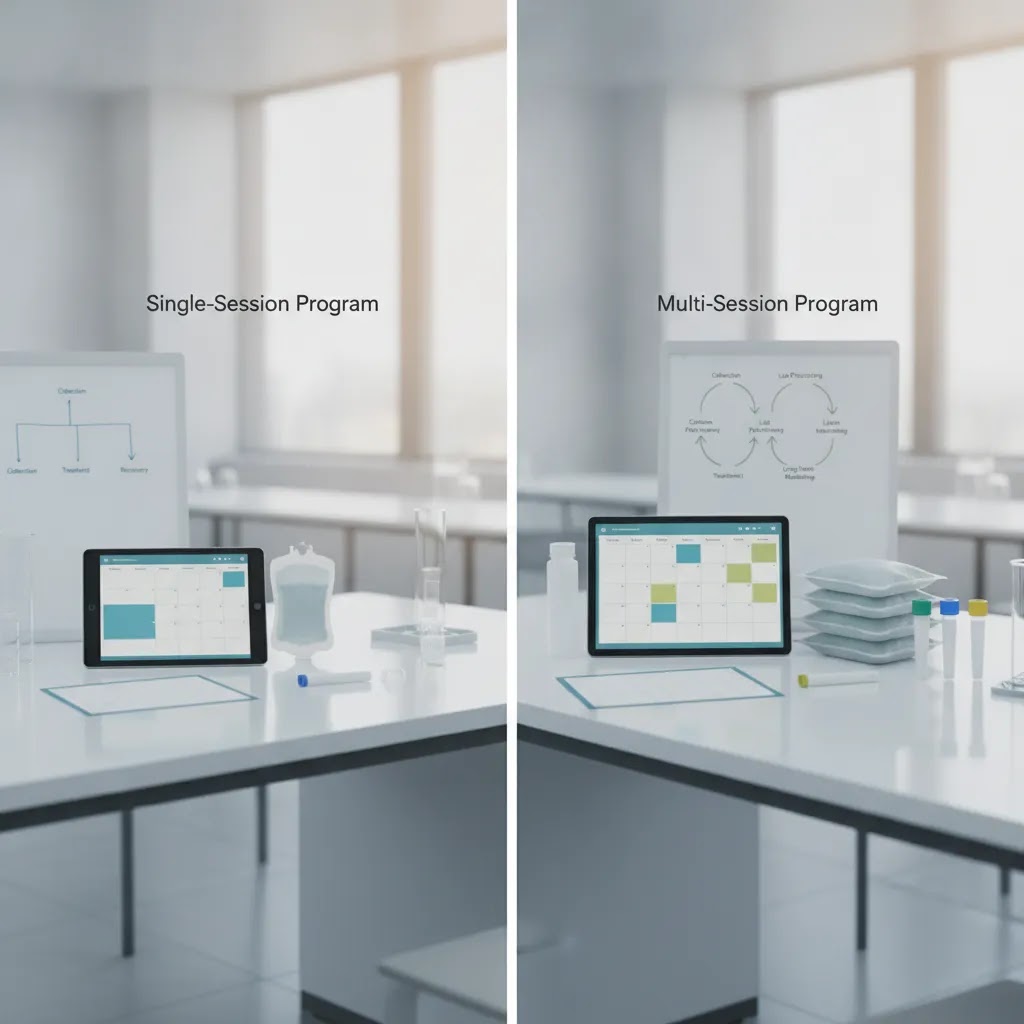
Cell source and manufacturing route
Autologous NK programs usually require patient-specific collection, processing, and expansion. That can raise NK cell treatment cost because each batch is individualized and chain-of-identity requirements are tighter. Allogeneic programs may benefit from scale. However, they introduce their own sourcing, donor screening, and compatibility questions. In either model, culture conditions, cleanroom controls, and release criteria can materially change nk cell therapy pricing.
Single infusion vs protocol-based treatment
A single administration may look more affordable at first. However, some providers structure NK cell therapy cost around serial infusions over weeks or months. That increases staffing, consumables, facility use, and monitoring needs. If you are comparing Malaysia pricing context for NK therapy, make sure the quote states the number of treatment days, infusions, and review visits.
Laboratory testing and potency assessment
Higher-quality programs may include donor or patient infectious disease screening, cell count and viability testing, sterility assessment, endotoxin testing, and, in some settings, phenotypic or functional characterization. Research and regulatory guidance support product characterization for advanced cell therapies, even though testing methods and clinical correlation differ by platform and indication. More testing can raise nk cell therapy cost, but it may also improve governance and traceability.
Clinical indication and specialist involvement
Programs linked to oncology consultation, immune evaluation, or multidisciplinary review may cost more than a low-complexity wellness-style package. That does not mean a higher nk cell therapy cost guarantees better care. Instead, the quote may reflect specialist time, adverse-event preparedness, and case selection. In Malaysia, disease-specific public advertising is constrained by the Medicines (Advertisement and Sale) Act and oversight by the Medicine Advertisements Board, so buyers should separate marketing language from actual clinical documentation.
Imported logistics, storage, and scheduling
If cells or materials cross borders, cold-chain handling, customs documentation, courier coordination, and timing buffers may add cost. For clinics, this can also affect cancellation terms and scheduling risk. As a result, a lower headline price can become less attractive if it excludes storage or re-booking charges.
Facility standards and physician oversight
Programs delivered in a licensed healthcare environment with medical screening, infusion supervision, and post-infusion observation usually cost more than loosely structured offerings. That extra nk cell therapy price may reflect a safer clinical framework. Malaysia buyers should review licensed facility status, practitioner registration, and whether the provider can clearly explain governance under MOH, NPRA, and related guidance.
What to Budget Beyond the Base NK Cell Therapy Cost
Many quotations look reasonable until you add the less obvious items. This is where clinics and patients often underestimate total NK cell treatment cost.
For patient budgeting, these items can shift the final amount substantially. For clinics evaluating a supplier or partner, they affect gross program economics, patient counseling accuracy, and operational planning. You can also compare this broader context with cell therapy cost in Malaysia to see how pathway design changes commercial planning across categories.
Commercial Evaluation of an NK Cell Therapy Program
Buyers should evaluate NK cell therapy as a clinical service pathway with manufacturing dependencies, not as a retail menu item. Evidence in NK-based immunotherapy is active and clinically meaningful in some research settings, especially in oncology and immune-focused applications. However, outcomes remain context-dependent and are not uniform across all marketed uses. Therefore, buyers should check safety and efficacy claims against peer-reviewed literature and trial registration rather than advertising alone. The CAR-T Cell Therapy category offers a useful contrast because CAR-T is generally more complex, highly individualized, and often associated with much higher total treatment costs and inpatient risk management requirements.
For buyers in Malaysia, the stronger question is whether the quote reflects a clinically governed process. That includes informed consent, case review, product traceability, release criteria, physician supervision, and a realistic discussion of what evidence does and does not support. Malaysia's regulatory framework also requires care in how providers describe investigational therapies. Established stem cell treatment in the country centers on hematopoietic stem cell transplantation for recognized blood and immune indications, while many other cell-based uses remain investigational and may sit within regulated product or trial pathways.
Regenexasia serves Asia-focused clinics and informed patients who want a more disciplined way to assess cell therapy access. If you are reviewing an NK program, compare protocol design, manufacturing quality controls, and total cost architecture rather than shopping on headline price alone. Clinics can also review Regenex clinic partnership options for sourcing and collaboration within an Asia compliance framework. Patients should speak with a qualified medical professional and may also reach out to Regenexasia to understand available treatment pathways, documentation standards, and the questions to ask before committing financially.
NK Variants That Change Pricing: Activated NK vs CAR-NK, and Clinical Trial Access
“NK therapy” is an umbrella label, and pricing can shift materially depending on which NK platform a provider offers. Some programs focus on ex vivo expansion of NK cells with activation steps designed to enhance cytotoxic activity. Others may incorporate cytokine activation or adjunctive agents as part of the protocol. These differences can change manufacturing time, release testing requirements, and the clinical monitoring plan. As a result, they directly influence how nk cell therapy cost is built.
Engineered approaches such as CAR-NK are typically more experimental than standard NK expansion programs and often sit within clinical trials or tightly controlled investigational pathways. Manufacturing complexity is usually higher because genetic modification adds process controls, documentation, and quality testing. That can lengthen timelines and raise costs. It can also change eligibility screening and follow-up intensity. For Malaysia buyers, the key point is that a CAR-NK discussion should include clear governance framing, including how the program is regulated, what monitoring is planned, and what the patient or referring clinic should expect if manufacturing fails release criteria. Buyers comparing this pathway may also find our guide to CAR T cell therapy Malaysia useful for cost and access context.
Practical evaluation starts with asking the provider to name the product type and pathway in plain terms. Is this a standard NK expansion product, a cytokine-activated NK protocol, or an engineered product? Is it autologous or allogeneic? Is it positioned as a routine outpatient service, or is it offered within a registered study with defined eligibility, data capture, and follow-up? “Off-the-shelf” claims still require documentation, including donor screening, traceability, release criteria, and cold-chain integrity. Clinics should treat these details as procurement essentials. Patients should review them with a qualified medical professional so budget decisions reflect what the program actually is, not what the label implies.
Clinical Considerations
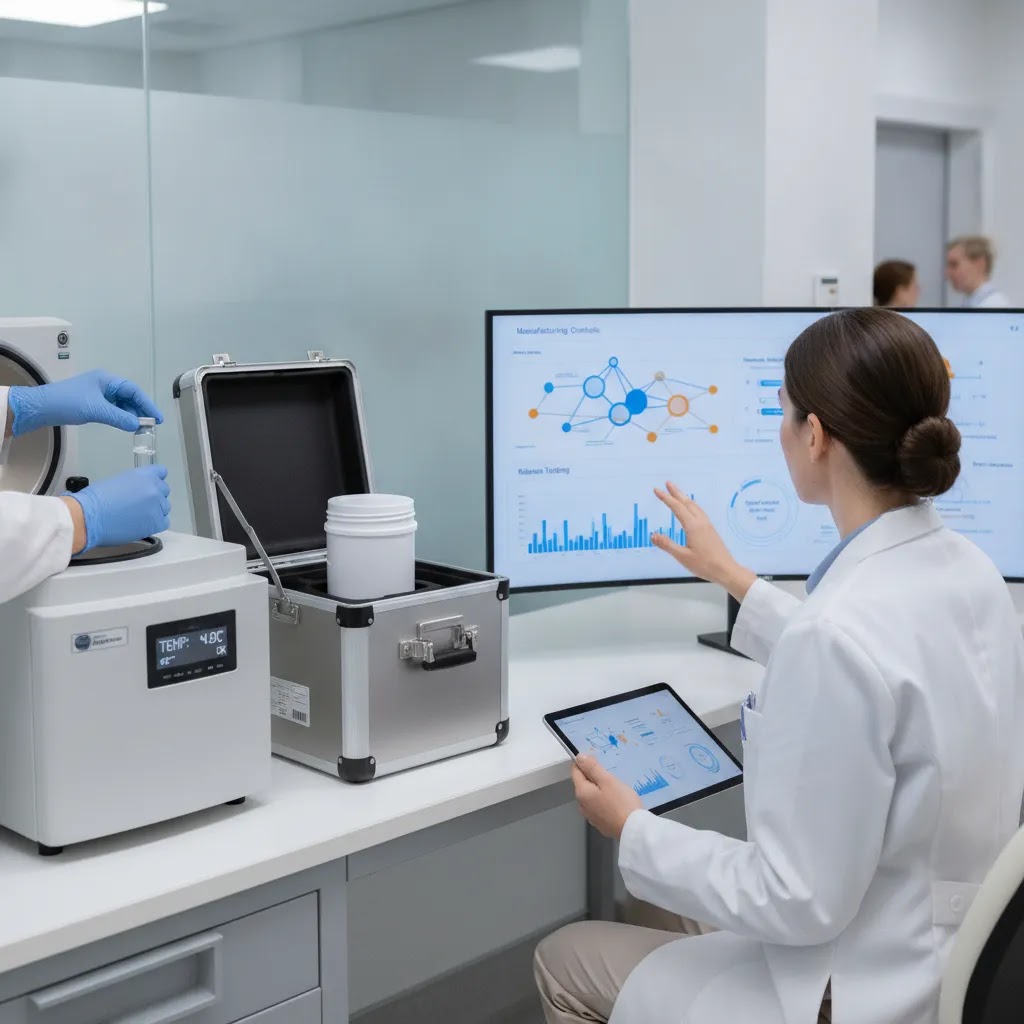
Current NK cell therapy evidence is heterogeneous. Research suggests the therapeutic rationale is strongest where innate immune surveillance and cytotoxic activity are central to the treatment concept. However, protocol differences remain substantial across studies. Published literature indexed on PubMed and trial registries such as ClinicalTrials.gov show variation in cell source, expansion methods, dose intensity, adjunctive agents, and intended indication. That variability affects potential outcomes and nk cell therapy cost structure.
Malaysia-specific compliance also matters. The Ministry of Health, NPRA, and the Drug Control Authority form part of the country’s oversight framework for cell and gene therapy products, while the Medicine Advertisements Board governs public advertising claims. For patients, this means you should read promotional claims cautiously. For clinics, it means procurement and referral decisions should rest on documentation, not headlines. Buyers comparing broader regenerative options may also review MSC therapy cost comparison to understand how manufacturing and indication fit can influence price in adjacent cell therapy categories.
Safety Profile and Expected Side Effects (and How They Affect Total Cost)
Most NK-based programs describe tolerability as a key part of the value proposition. However, a responsible budget discussion should also explain what monitoring is planned and why. Depending on protocol design and patient risk, commonly discussed short-term effects around administration may include infusion reactions, transient fever or chills, fatigue, headache, and temporary changes in laboratory markers that prompt repeat testing. Not every patient experiences the same effects, and not every program uses the same observation window. Those differences can change total cost because they affect staffing, facility time, and follow-up intensity.
Autologous and allogeneic approaches also differ in risk management burden. Autologous programs require patient-specific collection and processing. That can introduce scheduling risk, variability in starting material, and the possibility that a batch does not meet release criteria after manufacturing. Allogeneic programs require robust donor screening and infectious disease testing. They may also raise compatibility and immunologic considerations depending on product design and administration. None of these points predict a specific outcome. Instead, they explain why a low headline price that excludes pre-infusion screening, product release documentation, and structured follow-up may be less appropriate for some patients and harder for clinics to govern responsibly.
A well-run program should describe three safety-linked cost components in plain language: the pre-infusion screening plan, the infusion-day observation and escalation pathway, and the post-infusion follow-up schedule. For patients, this is also where you should ask what symptoms warrant urgent review and who handles after-hours escalation. For clinics, these are not optional details. They are part of a defensible clinical service pathway, and they directly affect what the stated NK cell therapy price truly includes.
How to Evaluate an NK Cell Therapy Cost Quote Before You Commit
A credible NK cell therapy quote should answer five practical questions.
1. What exactly is included?
Ask for a written inclusion list. It should specify consultation, diagnostics, cell processing, infusion sessions, monitoring, pharmacy items, and follow-up. If the provider cannot break down the quote, cost comparison becomes unreliable.
2. How are the cells manufactured and released?
Request information on laboratory standards, sterility testing, viability, identity markers, and chain-of-custody procedures. A provider does not need to disclose proprietary know-how to explain core quality assurance. For broader background, the NK Cell Therapy category can help frame the treatment class, but protocol-specific documentation should drive the decision.
3. What is the regulatory posture?
In Asia, access pathways differ across jurisdictions. Singapore's HSA, Japan's PMDA, South Korea's MFDS, Thailand FDA, Australia's TGA, and Malaysia's NPRA each approach advanced therapies through their own frameworks. A clinic or patient should ask whether the program is offered as part of a registered product route, an approved clinical study, or another lawful medical pathway.
4. Is the evidence appropriate to the indication being discussed?
A provider should distinguish exploratory use from more mature evidence areas. Be cautious if a quote relies only on broad immune or wellness language without indication-specific discussion. Under Malaysian advertising constraints, providers also need to avoid unlawful public claims for scheduled diseases.
5. What happens if treatment needs to be delayed, repeated, or stopped?
Providers should disclose cancellation terms, storage fees, repeat infusion pricing, and adverse-event escalation plans before payment. This is especially important for clinics integrating referral pathways, because unplanned downstream costs can affect patient communication and operational risk.
Strengths and Considerations
Strengths
Considerations
Who This NK Cell Therapy Cost Evaluation Is For

This article is designed for two groups. First, it helps clinics and practitioners assess whether an NK cell therapy cost proposal from a partner or supplier presents a credible total-cost structure, not merely an attractive entry quote. Second, it helps informed patients who are close to inquiry or purchase and need a disciplined way to judge whether a Malaysia NK cell therapy price reflects actual clinical value. In both cases, the useful comparison is not “cheap versus expensive.” It is documented versus vague, governed versus lightly described, and complete pricing versus fragmented pricing.
Frequently Asked Questions
How much is NK cell therapy in Malaysia?
There is no single verified public market price that responsibly applies across all Malaysia programs. NK cell therapy cost depends on protocol length, cell source, laboratory processing, testing, and physician oversight. A useful quote should specify what is included rather than relying on a headline figure alone.
Why do some NK cell therapy quotes look much cheaper than others?
Lower quotes may exclude baseline testing, multiple infusions, release assays, storage, medications, or post-treatment review. Some also reflect less intensive clinical governance. A cheaper program is not automatically inferior. However, the inclusion list and quality controls need close review before any comparison is meaningful.
Is NK cell therapy generally less expensive than CAR-T?
In many real-world procurement discussions, yes, NK cell therapy may be less expensive than CAR-T because CAR-T often involves highly individualized engineering, more complex manufacturing, and more intensive monitoring. Cost comparisons still depend on indication, center pathway, and whether hospitalization is required.
What should clinics ask a supplier before approving an NK cell therapy budget?
Clinics should ask about manufacturing standards, release testing, sterility controls, cold-chain logistics, traceability, adverse-event management, physician responsibilities, and cancellation terms. It is also prudent to confirm how the provider describes regulatory status in the relevant jurisdiction and whether that framing is clinically and legally appropriate.
Do higher prices mean better clinical results?
No. A higher quote may reflect more testing, stronger governance, or a more complex protocol, but it does not guarantee superior outcomes. Research suggests NK-based therapies remain highly protocol-dependent, and patient-specific factors can influence both tolerability and response.
Can Malaysian providers publicly advertise NK therapy for any disease?
Public advertising in Malaysia is constrained by healthcare advertising law and Medicine Advertisements Board oversight. Claims tied to certain scheduled diseases are especially restricted. Buyers should therefore focus on clinician discussion, documentation, and lawful treatment pathways rather than broad consumer-facing promises.
What hidden costs should patients budget for?
Patients should ask about consultation fees, blood tests, imaging, supportive medications, cryostorage, repeat infusions, travel, accommodation, and follow-up appointments. If the plan involves imported materials or cross-border coordination, logistics costs may also become relevant.
Is NK cell therapy established standard care in Malaysia?
That depends on the exact treatment context. Malaysia recognizes hematopoietic stem cell transplantation as established care for specific blood and immune indications, but many other advanced cell therapy applications are investigational or governed through more limited pathways. NK therapy should not be assumed to be routine standard care across all uses.
How can patients compare quotes more safely?
Ask for an itemized quotation, a description of the treatment pathway, information on physician oversight, and a candid explanation of the evidence relevant to your condition. Patients should also consult a qualified medical professional who can review whether the proposed therapy is clinically appropriate.
What are the side effects of NK cell therapy?
Side effects reported or discussed in NK-based programs can include infusion reactions, transient fever or chills, fatigue, headache, and temporary laboratory changes that prompt repeat testing. The expected monitoring plan varies by protocol and patient risk profile, so you should ask what observation is included on infusion day and what follow-up is planned. Patients should consult a qualified medical professional to review whether the proposed pathway is appropriate for their clinical context.
What is the success rate of NK cell therapy?
There is no single success rate that applies across all NK cell therapy programs because outcomes depend on the indication, protocol design, cell source, adjunctive treatments, and patient factors. Published studies and registered trials show heterogeneous endpoints and varying strength of evidence by setting. A credible provider should explain what data supports the specific use being discussed, and patients should review that evidence with a qualified medical professional.
Does insurance cover cell therapy?
Insurance coverage varies by plan, country, and whether the therapy is considered established care versus investigational. Many cell therapy programs marketed commercially may not be reimbursed in full, particularly if they fall outside standard coverage policies or are not part of recognized treatment pathways. Patients should request a detailed invoice structure and check coverage in writing with their insurer before committing financially.
Is NK cell therapy FDA approved?
Regulatory status depends on the specific product, manufacturing approach, and indication. In general, many NK-based interventions discussed online are investigational and evaluated in clinical trials rather than marketed as widely approved products. Regulatory frameworks differ across jurisdictions, including the United States FDA and Asia-Pacific authorities such as Malaysia’s NPRA, Singapore’s HSA, Japan’s PMDA, and South Korea’s MFDS. Clinics and patients should confirm the lawful access pathway and documentation for the specific program being considered.
Key Takeaways
Conclusion
A serious NK cell therapy budget in Malaysia should rest on documentation, not assumptions. Key variables include cell source, protocol length, laboratory controls, logistics, supervision, and what happens if the treatment plan changes after payment. For clinicians, that means evaluating the supplier as a clinical operations partner, not only as a price point. For patients, it means asking whether the quoted fee reflects a medically supervised pathway with realistic evidence framing. Regenexasia supports Asia-based clinics and informed patients who need a more rigorous view of cell therapy access, quality, and compliance. Contact Regenexasia to discuss clinical partnership or sourcing considerations, or speak with a qualified medical professional and reach out to learn more about available NK cell therapy pathways and the questions worth asking before you commit financially.
This article is intended for informational purposes only and does not constitute medical advice. Cell therapy treatments should only be pursued under the guidance of a qualified medical professional. Regulatory requirements for cell therapies vary by jurisdiction across Asia. Always consult the relevant regulatory authority and a licensed healthcare provider in your region before making any clinical or treatment decisions. In Malaysia, public advertising of healthcare services is subject to legal and regulatory restrictions, and investigational cell-based therapies should not be interpreted as established standard care unless clearly recognized as such within the applicable framework.
About the Author
Dr. Jay Gobi is a Kuala Lumpur-based Medical Doctor and clinical innovator supporting Regenex Asia's work in advanced cellular therapies. With frontline experience at Hospital Kuala Lumpur and a focus on evidence-based medicine, he helps bridge clinical practice, patient safety and biotherapeutic innovation across stem cell, NK cell and advanced immunotherapy applications.