
CAR-T Cell Therapy
CAR-T cell therapy is among the most significant breakthroughs in modern oncology — a form of immunotherapy where a patient's own T-cells are collected, genetically engineered to recognise a specific protein on cancer cells, expanded in a laboratory and infused back into the patient to seek out and destroy the cancer.
It is not a general-purpose treatment. CAR-T therapy is highly specialised, currently applied to specific relapsed or refractory blood cancers where conventional treatments have failed or are no longer effective. It carries meaningful risks that require specialist medical management. And it remains one of the most expensive cancer treatments in the world.
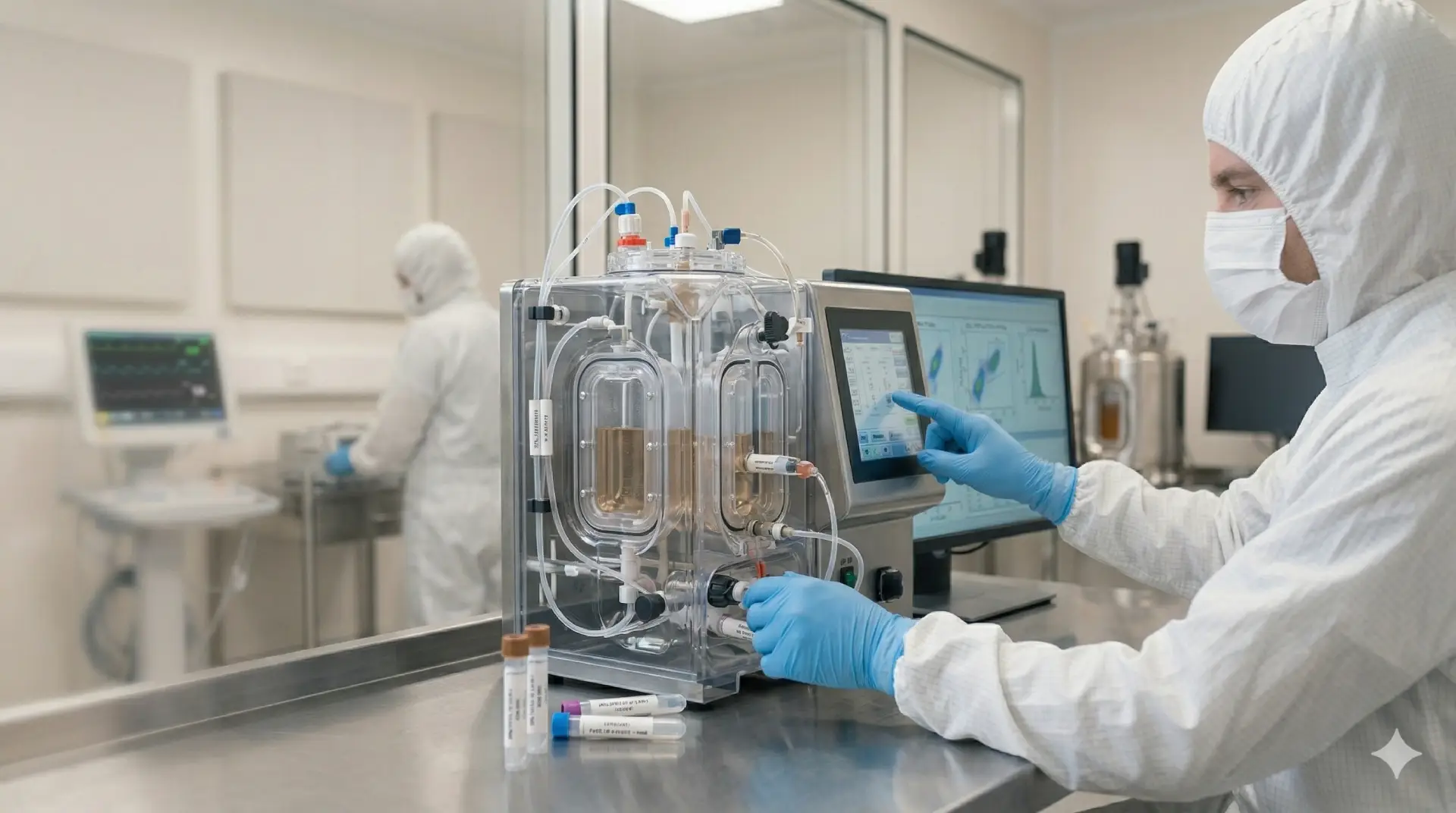
At Regenex Asia, our cGMP-certified laboratory in Kuala Lumpur provides the cell processing and manufacturing infrastructure required for CAR-T production — offering a potential access point for patients and oncology partners in Southeast Asia and the wider region.
What Is CAR-T Cell Therapy and How Does It Work?
CAR-T stands for Chimeric Antigen Receptor T-cell. The name describes exactly what it is: T-cells (a type of white blood cell central to the immune system) that have been equipped with a chimeric antigen receptor — an engineered protein on the cell surface that enables the T-cell to recognise and bind to a specific target (antigen) on cancer cells.
In a healthy immune system, T-cells already fight cancer. But cancer cells are adept at evading immune detection — they may downregulate the surface markers that T-cells use to find them, or release signals that suppress T-cell activity. CAR-T therapy overcomes this by giving T-cells a new, engineered receptor that locks onto a specific antigen that the cancer cannot easily hide.
The most well-established CAR-T target is CD19 — a protein found on the surface of B-cells. Because several blood cancers originate from B-cells, anti-CD19 CAR-T therapy has become the most widely used and clinically validated CAR-T approach globally. More recently, BCMA-targeted CAR-T therapies have been developed for multiple myeloma.
When the engineered CAR-T cells are infused back into the patient, they circulate through the body, find cells displaying the target antigen, bind to them and trigger cell death. The CAR-T cells can also expand further within the patient's body after infusion — creating an ongoing army of cancer-targeting cells that can persist for months or, in some patients, years.
What CAR-T Therapy Is — and What It Isn't
CAR-T therapy is one of the most powerful tools in cancer medicine. It has produced durable remissions in patients who had exhausted all other options. But it is not a universal cancer treatment. It is currently applicable to a narrow range of specific blood cancers, it carries serious risks that require specialist management, and the manufacturing process is complex and individualised. Every CAR-T treatment decision should be made in close coordination with an experienced oncology team.
How CAR-T Therapy Is Made: From Blood Draw to Infusion
Leukapheresis — Collecting T-Cells (Day 1)
Blood is drawn from the patient and passed through a machine that separates out the white blood cells (including T-cells) while returning the remaining blood components to the patient. This procedure typically takes 3–6 hours. The collected T-cells are transported to our cGMP laboratory under controlled cold-chain conditions.
Genetic Engineering — Adding the CAR (Days 2–5)
In our clean room, the patient's T-cells are activated and genetically modified to express the chimeric antigen receptor using a viral vector. Once the CAR gene is integrated, the T-cells begin producing the engineered receptor on their surface — transforming them into cancer-targeting CAR-T cells.
Expansion — Growing the CAR-T Army (Days 5–14)
The engineered CAR-T cells are expanded in bioreactor culture systems, increasing numbers from millions to billions. Throughout expansion, cells are monitored for growth rate, viability, CAR expression levels and the absence of contamination.
Quality Testing & Release (Days 14–18)
Comprehensive testing includes: CAR expression analysis, cell viability and count, sterility testing, endotoxin and mycoplasma screening, vector copy number testing, and a potency assay confirming the CAR-T cells can kill target cancer cells. Each patient's product receives an individual Certificate of Analysis.
Lymphodepletion & Infusion (Days 18–21)
The patient undergoes lymphodepleting chemotherapy to create space for the CAR-T cells. The CAR-T cells are then infused intravenously (typically 30–60 minutes). The patient must be monitored closely in the days and weeks following for CRS and ICANS.
Timeline Summary
| Leukapheresis (T-cell collection) | Day 1 |
| Genetic engineering + expansion | Days 2–14 |
| Quality testing + release | Days 14–18 |
| Lymphodepletion chemotherapy | Days 18–20 |
| CAR-T infusion | Day 21 (approximately) |
| Post-infusion monitoring | Days 21–49+ |
Total time from collection to infusion: approximately 3 weeks. Post-infusion monitoring continues for a minimum of 4 weeks.
CAR-T Therapy Indications: Which Cancers Are Treated?
CAR-T cell therapy is currently applicable to a specific subset of blood cancers — not all cancers and not solid tumours. The following indications represent the cancers where CAR-T therapy has the strongest clinical evidence.
B-Cell Acute Lymphoblastic Leukaemia (ALL)
CAR-T therapy targeting CD19 has shown remarkable results in patients with relapsed or refractory B-cell ALL — particularly in paediatric and young adult patients. In published clinical trials, complete remission rates exceeding 80% have been reported in patients who had failed multiple prior lines of treatment.
Learn moreDiffuse Large B-Cell Lymphoma (DLBCL)
DLBCL is the most common aggressive lymphoma in adults. For patients who relapse after or are refractory to standard first-line treatment, anti-CD19 CAR-T therapy offers a potential path to durable remission. Multiple CAR-T products have been studied in this setting with meaningful response rates.
Learn moreMultiple Myeloma
BCMA-targeted CAR-T therapy has emerged as an important treatment option for patients with relapsed or refractory multiple myeloma who have received multiple prior lines of therapy. BCMA is a protein highly expressed on myeloma cells, making it an effective target.
Learn moreOther B-Cell Lymphomas
CAR-T therapy is also being investigated in other B-cell lymphoma subtypes including follicular lymphoma, mantle cell lymphoma and primary mediastinal B-cell lymphoma. Evidence varies — some have regulatory-approved products; others remain under active investigation.
Learn moreWhat CAR-T Does NOT Currently Treat
CAR-T therapy is not currently established for solid tumours (lung, breast, colon, liver, etc.), T-cell cancers, or non-haematological conditions. Research into CAR-T for solid tumours and autoimmune diseases is active and represents the future frontier — but these applications are investigational and not available as standard clinical treatment today.
Risks and Side Effects: What Every Patient Must Know
CAR-T cell therapy is among the most powerful treatments in cancer medicine. It is also one of the most intense. The same mechanism that makes CAR-T cells effective against cancer — a massive, targeted immune activation — can produce serious side effects that require specialist medical management. Every patient considering CAR-T therapy must understand these risks before making a treatment decision.
Cytokine Release Syndrome (CRS)
CRS is the most common serious side effect. It occurs when infused CAR-T cells activate rapidly and release large quantities of cytokines into the bloodstream. This is actually a sign that the cells are working — but the resulting immune activation can cause a systemic inflammatory response.
Symptoms range from mild to severe:
- Grade 1–2 (mild): High fever, fatigue, muscle aches, nausea, headache
- Grade 3–4 (severe): Dangerously low blood pressure, difficulty breathing, organ dysfunction, ICU requirement
Timing: Typically 1–14 days after infusion, most commonly days 1–7.
Management: Supportive care for mild cases; tocilizumab and/or corticosteroids for severe cases.
Frequency: Some degree of CRS occurs in the majority of patients. Severe (Grade 3+) occurs in a significant minority.
Immune Effector Cell-Associated Neurotoxicity Syndrome (ICANS)
ICANS is a neurological side effect resulting from inflammatory signalling affecting the central nervous system. It can occur alongside or after CRS.
Symptoms may include:
- • Confusion, disorientation, difficulty finding words
- • Tremor, difficulty writing
- • Impaired consciousness, reduced alertness
- • In severe cases: seizures, cerebral oedema
Timing: Within 1–4 weeks after infusion, often overlapping with CRS.
Management: Corticosteroids and supportive neurological care. Most cases resolve with treatment.
Other Potential Side Effects
- B-cell aplasia — healthy B-cells are also destroyed by anti-CD19 CAR-T, resulting in low immunoglobulin levels requiring possible replacement therapy
- Prolonged cytopenias — low blood cell counts that may persist for weeks to months
- Infections — increased risk due to immunosuppression from lymphodepleting chemotherapy and B-cell aplasia
- Tumour lysis syndrome — rapid cancer cell destruction releasing cellular contents, requiring monitoring
Our Commitment to Transparent Risk Communication
We will never minimise the risks of CAR-T therapy. CRS and ICANS are serious complications that require experienced clinical management. Any patient considering CAR-T therapy at Regenex should do so in full coordination with their oncology team, with a clear understanding of both the potential benefits and the potential risks.
CAR-T Access in Malaysia and Across Asia
Globally, CAR-T cell therapy remains one of the most expensive and least accessible cancer treatments. In the United States, a single CAR-T treatment can cost USD $350,000–$500,000 or more — before hospital stays, monitoring and supportive care. In many Asian countries, approved CAR-T products are either unavailable, accessible only at a small number of academic centres, or prohibitively expensive.
Regenex Asia's cGMP-certified manufacturing facility in Kuala Lumpur provides a regional alternative. By producing CAR-T products locally — using the same engineering, expansion and quality testing processes as global manufacturers, but within Malaysia's more cost-effective healthcare infrastructure — we aim to make this therapy accessible to patients who might otherwise have no viable route to treatment.
What Regenex offers for CAR-T access:
- cGMP manufacturing of CAR-T products in our KKM-approved laboratory in Kuala Lumpur
- Coordination with the patient's referring oncologist on treatment planning, leukapheresis logistics and post-infusion monitoring
- International patient support: travel coordination, hospital accommodation, multilingual assistance
- Cost structures that reflect Malaysian healthcare economics rather than US or European pricing
We work closely with referring oncologists — CAR-T therapy at Regenex is always a collaborative process between our manufacturing team, the treating physician and the patient's existing medical team.
Contact us to discuss CAR-T accessThe CAR-T Frontier: What's Next in Cancer Immunotherapy
CAR-T cell therapy is still a young field — and it's evolving rapidly. Several developments are likely to reshape the landscape in the coming years:
Allogeneic (Off-the-Shelf) CAR-T
Current CAR-T uses the patient's own cells, requiring individual manufacturing. Allogeneic CAR-T aims to create universal donor-derived products manufactured at scale and available immediately — dramatically reducing cost, wait times and complexity.
In Vivo CAR-T
Rather than engineering T-cells in a laboratory, in vivo approaches seek to deliver the CAR gene directly into the patient's body using injectable vectors. This could eventually eliminate the need for leukapheresis and ex vivo manufacturing entirely.
CAR-T for Solid Tumours
Targeting solid cancers (lung, liver, breast, colorectal) remains one of the greatest challenges in oncology. The tumour microenvironment suppresses immune cell function in ways blood cancers generally do not. Multiple approaches are under active investigation.
CAR-T for Autoimmune Disease
Early clinical evidence suggests anti-CD19 CAR-T may produce remarkable results in severe autoimmune conditions such as lupus — by eliminating the autoreactive B-cells driving the disease. This is an emerging application with significant potential.
Regenex Asia maintains active research collaborations with University of Malaya and UKM and monitors these developments closely. As the CAR-T field evolves, our cGMP manufacturing platform is designed to adapt to next-generation approaches.
Frequently Asked Questions About CAR-T Cell Therapy
Who qualifies for CAR-T cell therapy?
CAR-T therapy is typically considered for patients with specific relapsed or refractory blood cancers — primarily B-cell ALL, DLBCL and multiple myeloma — who have not responded to or have relapsed after standard treatments. Eligibility depends on cancer type, disease stage, prior treatments, organ function and overall health. Our medical team assesses eligibility in coordination with the patient's referring oncologist.
How much does CAR-T therapy cost?
We do not publish specific pricing. CAR-T therapy involves complex individualised manufacturing, and costs vary depending on the specific protocol, hospital requirements and monitoring needs. Our cost structures reflect Malaysian healthcare economics and are significantly different from US or European pricing. A detailed cost outline is provided after the medical assessment.
What is the success rate of CAR-T therapy?
Response rates vary by cancer type and patient population. In published clinical studies, anti-CD19 CAR-T therapy has achieved complete remission rates exceeding 80% in certain relapsed/refractory B-cell ALL populations and meaningful durable response rates in DLBCL and multiple myeloma. However, not all patients respond, and some patients who initially respond may relapse. Individual outcomes cannot be predicted or guaranteed.
What are the side effects of CAR-T therapy?
The two most significant side effects are cytokine release syndrome (CRS) and immune effector cell-associated neurotoxicity syndrome (ICANS). Both range from mild to severe and require specialist management. Other side effects include B-cell aplasia, prolonged cytopenias and increased infection risk. A full discussion of risks is part of every pre-treatment consultation.
How long does the entire CAR-T process take?
From T-cell collection (leukapheresis) to infusion, the manufacturing process takes approximately 3 weeks. Post-infusion monitoring requires a minimum of 4 additional weeks. Total time commitment from start to initial discharge is typically 7–8 weeks.
Can I get CAR-T therapy if I'm from another country?
Yes. We support international patients from across Asia, the Middle East and beyond. Our team coordinates the entire process — from initial oncology review through travel logistics, treatment and post-infusion monitoring. CAR-T therapy requires an extended stay in Kuala Lumpur (approximately 6–8 weeks total), and we provide accommodation and concierge support throughout.
What happens after CAR-T infusion? What is "life after CAR-T"?
After discharge from the acute monitoring period, patients enter long-term follow-up. This includes regular blood tests, imaging and immune function monitoring. Some patients may need immunoglobulin replacement therapy due to B-cell aplasia. Many patients return to normal daily activities within weeks to months, depending on their response and recovery. Long-term follow-up with your oncologist is essential.
Is CAR-T therapy available in Malaysia?
CAR-T cell therapy manufacturing capability exists at Regenex Asia's cGMP-certified facility in Kuala Lumpur. Access and availability depend on the specific indication, patient eligibility and clinical assessment. Contact our team to discuss whether CAR-T may be an option for your case.
Related Therapies
NK Cell Therapy
Natural killer cell immunotherapy for broader cancer support and viral immune reconstitution. A less targeted but more accessible immunotherapy that can complement or serve as an alternative to CAR-T.
CIK Cell Therapy
Cytokine-induced killer cell therapy for supportive cancer immunotherapy. Another immune cell approach — often considered alongside NK and CAR-T in comprehensive oncology protocols.
Stem Cell Therapy (MSC)
Regenerative MSC therapy. A different mechanism entirely — MSC therapy supports tissue repair and immune modulation. Relevant for patients managing treatment side effects or seeking post-cancer regenerative support.
Discuss Whether CAR-T Therapy May Be an Option for Your Case
CAR-T cell therapy is a significant medical decision that should be made with your oncologist. Our team is available to review your case, discuss manufacturing capability and coordinate with your medical team to assess whether CAR-T therapy is appropriate.